
Why is PCB manufacturing important?
PCB manufacturing
Printed Circuit Board (PCB) manufacturing is a cornerstone of the electronics industry, serving as the foundation upon which modern electronic devices are built. From smartphones and computers to medical equipment and automotive systems, PCBs are integral to virtually all electronic devices. Understanding the importance of PCB manufacturing reveals its significant impact on technological advancement, economic growth, and daily life.
One of the primary reasons PCB manufacturing is essential is its role in enabling technological advancement. As electronic devices become increasingly sophisticated, the demand for PCBs with higher complexity and functionality has surged. The ability to design and manufacture multilayer PCBs allows engineers to incorporate more components into smaller spaces, facilitating the miniaturization of devices. This miniaturization has been crucial in the development of portable electronics, wearable technology, and smart devices, which have transformed the way we live, work, and communicate.
PCB manufacturing serves as a foundation for innovation across various industries. In sectors such as healthcare, aerospace, automotive, and consumer electronics, PCBs enable the development of cutting-edge technologies. For instance, in the medical field, PCBs are used in diagnostic equipment, monitoring devices, and treatment systems, contributing to improved patient outcomes. In automotive applications, advanced PCBs are essential for electric vehicles, autonomous driving systems, and enhanced safety features. As industries strive for innovation, high-quality pcb manufacturing becomes increasingly vital to support the evolution of new technologies.
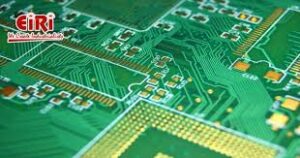
Why is PCB manufacturing important?
The PCB manufacturing industry is a significant contributor to economic growth and job creation. As the demand for electronic devices continues to rise, so does the need for PCBs. This growth has led to the establishment of manufacturing facilities, research and development centers, and design services across the globe. The industry creates a wide range of jobs, from engineering and design to production and quality assurance. Moreover, as countries invest in the electronics sector, PCB manufacturing plays a vital role in strengthening their economies, fostering technological leadership, and enhancing global competitiveness.
The importance of PCB manufacturing also lies in its contribution to the quality and reliability of electronic devices. High-quality PCBs are crucial for ensuring the performance and longevity of electronic products. Poorly manufactured PCBs can lead to failures, malfunctions, and safety hazards, resulting in costly recalls and damage to a manufacturer’s reputation. Rigorous quality control measures in PCB manufacturing processes, such as testing and inspection, help ensure that the final products meet industry standards and function reliably under various conditions. This commitment to quality not only protects consumers but also fosters trust in brands and products.
In recent years, the importance of sustainable practices in PCB manufacturing has come to the forefront. As environmental concerns grow, manufacturers are increasingly adopting eco-friendly materials and processes. The use of lead-free solder, recyclable substrates, and waste reduction strategies helps minimize the environmental impact of PCB production. Additionally, advancements in manufacturing technologies, such as automation and energy-efficient processes, contribute to sustainability efforts. By prioritizing environmental responsibility, PCB manufacturers play a vital role in promoting sustainable development within the electronics industry.
In conclusion, PCB manufacturing is essential for multiple reasons, including enabling technological advancement, serving as a foundation for innovation, driving economic growth, ensuring quality and reliability, and promoting environmental sustainability. As the demand for advanced electronic devices continues to rise, the role of PCB manufacturing will only become more critical. By investing in high-quality manufacturing processes and adopting sustainable practices, the PCB industry can support the continued evolution of technology, enhance consumer trust, and contribute positively to the global economy. Ultimately, the significance of PCB manufacturing extends far beyond the production of circuit boards; it shapes the future of technology and the world around us.

What Happens if Trump Defies the Courts
Former Landmarks Dept. | The New Yorker
what is the significance of the pcb fabrication and assembly layout?
About The Author
