
What is the Impact of NLP Updates on Regression Testing?
Impact of NLP Updates on Regression Testing
Natural Language Processing (NLP) is constantly evolving, with frequent updates improving machine learning models, algorithms, and data processing capabilities. These updates enhance accuracy, efficiency, and contextual understanding in NLP-driven applications. However, they also introduce challenges for regression testing, requiring teams to ensure that existing functionalities remain intact while accommodating new enhancements. The impact of NLP updates on regression testing is significant, influencing test coverage, test automation, and overall software stability.
One major effect of NLP updates on regression testing is the increased complexity of test cases. Unlike traditional software updates, where functional changes are often predictable, NLP updates can introduce subtle shifts in language processing, sentiment analysis, and intent recognition. Small modifications in an NLP model may alter outputs in unexpected ways, requiring testers to expand their test coverage to validate different linguistic variations, accents, and contextual interpretations. This complexity makes it essential to design flexible and adaptive regression test suites that can accommodate evolving NLP behaviors.
Automated regression testing for NLP applications also faces challenges due to dynamic output variations. Traditional automation frameworks rely on fixed expected results, but NLP models may generate slightly different yet valid responses after an update. For example, a chatbot might provide a more natural-sounding reply after an NLP update, even though its intent remains unchanged. Test automation strategies must adapt to this variability by incorporating fuzzy matching, tolerance thresholds, and AI-driven validation techniques. This ensures that regression tests do not fail unnecessarily due to acceptable variations in output.
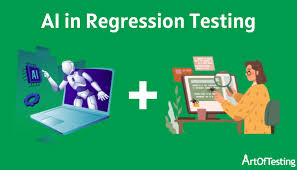
What is the Impact of NLP Updates on Regression Testing?
Another impact of NLP updates on Al regression testing for voice agents is the need for continuous data validation. Since NLP models rely heavily on training data, even minor adjustments in datasets or model parameters can lead to different outcomes. Testers must frequently validate datasets to ensure consistency and avoid unintended bias or regression errors. Additionally, NLP updates might introduce improvements in entity recognition, language translation, or sentiment analysis, requiring extensive re-evaluation of test cases to verify that enhancements align with business expectations.
Performance testing also becomes crucial when dealing with NLP updates. Improved language models often require more computational resources, potentially affecting response times and system scalability. Regression testing should include performance benchmarks to assess whether the updated NLP model impacts application speed, memory usage, or real-time processing capabilities. This is particularly important for AI-driven applications that handle large volumes of user interactions, such as virtual assistants, search engines, and customer support systems.
To mitigate risks associated with NLP updates, teams should implement a robust testing strategy that combines manual and automated regression testing. Human testers play a vital role in evaluating nuanced language changes, ensuring that NLP-driven applications maintain conversational accuracy and contextual relevance. Meanwhile, automation can help speed up repetitive test executions and detect inconsistencies across large datasets. A combination of AI-assisted test generation, real-world user simulations, and continuous monitoring can enhance regression testing efficiency in NLP-driven applications.
As NLP technology continues to advance, regression testing must evolve alongside it. Organizations that proactively adapt their testing methodologies can leverage NLP improvements while maintaining software stability and reliability. By integrating AI-driven validation techniques, dynamic test strategies, and comprehensive data analysis, teams can ensure that NLP updates enhance application performance without introducing unexpected regressions. A well-balanced approach to NLP regression testing helps deliver a seamless user experience while embracing the benefits of continuous innovation in natural language processing.

The International Court of Justice Takes On Climate Change

The Secret Ingredient Behind a Breakfast-Taco Pop-Up

Daily Cartoon: Friday, May 2nd
About The Author
