
How does automated PCB board assembly compare to manual assembly?
automated PCB board assembly
Automated PCB (Printed Circuit Board) assembly and manual PCB assembly are two distinct approaches in the electronics manufacturing industry, each with its own set of advantages and challenges. As technology advances and the demand for more sophisticated electronic devices increases, the choice between automated and manual assembly becomes crucial. Understanding the differences between these methods is essential for optimizing production processes, cost efficiency, and product quality.
Automated PCB assembly leverages advanced machinery and robotics to place components on the PCB and solder them in place. This method is characterized by high precision, speed, and repeatability. Automated systems, such as pick-and-place machines, can handle thousands of components per hour with exceptional accuracy. These machines are programmed to place components on the board according to a predefined layout, significantly reducing the risk of human error. The automation process also includes soldering techniques like reflow soldering and wave soldering, which ensure consistent and reliable solder joints.
One of the primary benefits of automated pcb board assembly is its efficiency in handling high-volume production runs. Automation minimizes the time required for assembly, allowing manufacturers to meet large-scale demands quickly. This is particularly advantageous in industries such as consumer electronics, automotive, and telecommunications, where rapid production cycles are essential. Moreover, automated assembly can easily accommodate complex and high-density PCB designs, where precision is critical to ensure proper functionality and performance.
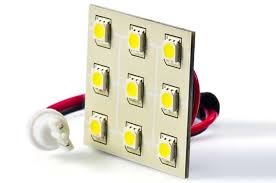
How does automated PCB board assembly compare to manual assembly?
Cost efficiency is another significant advantage of automated PCB assembly. While the initial investment in automated machinery can be substantial, the long-term benefits often outweigh these costs. Automation reduces labor costs, as fewer skilled workers are needed to operate the machinery compared to manual assembly. Additionally, the reduction in errors and defects translates to lower rework and scrap rates, further enhancing cost savings. Over time, these factors contribute to a lower overall cost per unit, making automation a financially viable option for large-scale production.
In contrast, manual PCB assembly involves skilled technicians placing and soldering components by hand. This method is well-suited for small-scale production, prototypes, and custom designs where flexibility and adaptability are essential. Manual assembly allows for greater flexibility in handling unique or complex components that may not be easily managed by automated systems. It also enables quick adjustments and modifications, which are often necessary during the prototyping and testing phases of product development.
The primary advantage of manual PCB assembly lies in its ability to handle low-volume, high-mix production runs. For specialized products or small batches, manual assembly can be more cost-effective and practical, as the setup time and costs associated with automated machinery may not be justified. Skilled technicians can apply their expertise to ensure each board meets the required standards, making manual assembly ideal for industries such as aerospace, medical devices, and specialized industrial equipment.
However, manual PCB assembly also has its drawbacks. The reliance on human labor increases the risk of errors and inconsistencies, which can affect product quality and reliability. Manual assembly is also more time-consuming and labor-intensive, making it less suitable for high-volume production. The variability in human performance can lead to fluctuations in assembly quality, necessitating thorough inspection and quality control measures.
In summary, automated PCB board assembly and manual assembly each offer distinct advantages and are suited to different production needs. Automated assembly excels in high-volume, high-density, and cost-efficient production, providing speed, precision, and repeatability. It is ideal for large-scale manufacturing where consistency and efficiency are paramount. On the other hand, manual assembly offers flexibility and adaptability, making it suitable for small-scale, custom, and complex projects where human expertise can ensure meticulous attention to detail. Choosing between these methods depends on factors such as production volume, complexity, cost considerations, and the specific requirements of the project. By understanding the strengths and limitations of each approach, manufacturers can make informed decisions to optimize their PCB assembly processes.

“Winner” Takes Political Comedy Seriously

NATO’s Existential Moment | The New Yorker

The Best-Selling Novelist Kaveh Akbar Leans Into His Poetic Roots
About The Author
