
How does rigid flex enhance reliability in electronics?
How Does Rigid Flex Enhance Reliability in Electronics?
Rigid flex PCBs (Printed Circuit Boards) offer a unique solution for enhancing the reliability of electronic devices. By combining the advantages of both rigid and flexible circuit technologies, rigid flex PCBs provide a robust, compact, and efficient design for applications that demand high performance and durability. The flexibility of these boards allows them to withstand physical stress, while the rigid sections provide the necessary structural support for critical components. In this article, we explore how rigid flex technology enhances the reliability of electronic devices across various industries.
1. Durability Against Mechanical Stress
One of the primary ways rigid flex enhances reliability is through its superior ability to withstand mechanical stress. Many electronic devices, especially wearable technology, automotive systems, and medical devices, are exposed to frequent vibrations, bending, and other forms of physical strain. Traditional rigid PCBs can be prone to cracking or damage when subjected to these stresses. However, rigid flex PCBs are designed to absorb and distribute mechanical stress more effectively.
The flexible sections of rigid flex PCBs are typically made from polyimide or other high-performance materials that can bend without compromising the integrity of the circuit. These flexible sections allow the board to adapt to physical movements and flexing, reducing the likelihood of damage. Meanwhile, the rigid sections of the PCB maintain the necessary structural stability to support key components, providing a balance between flexibility and durability. This combination ensures that the PCB remains reliable under dynamic conditions.
2. Reduced Risk of Component Damage
In traditional rigid PCBs, the components are often soldered onto a flat, inflexible surface, which can lead to mechanical stress and potential component damage during transportation or use. This issue is particularly prominent in devices that undergo frequent bending or impact. Rigid flex technology helps mitigate this problem by integrating flexible areas that can move with the device’s form, while the rigid areas continue to provide stable support for components.
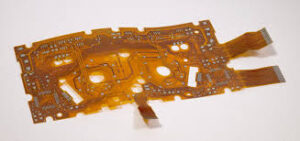
The ability of rigid flex to distribute the mechanical stresses across the board reduces the risk of component failure. For example, in a wearable device, the flexible portions of the board can move with the device’s wearer, preventing the components from being stressed by constant bending or twisting. This design not only enhances the reliability of the device but also extends its lifespan by preventing premature failure of sensitive components.
3. Improved Signal Integrity
Signal integrity is a critical factor in the reliability of electronic devices, especially in high-speed applications such as telecommunications, aerospace, and automotive electronics. Rigid flex PCBs help improve signal integrity by allowing for shorter and more direct routing of signal traces. Traditional PCBs often require longer traces, which can lead to signal loss and degradation. By integrating both flexible and rigid layers, rigid flex technology enables optimal trace routing with minimal signal loss.
Furthermore, rigid flex PCBs are designed to minimize the risk of signal interference by providing better shielding and isolation. The construction of rigid flex allows for improved grounding and decoupling, ensuring that the signals traveling through the PCB are clean and reliable. This is particularly important in high-performance systems where signal degradation can lead to device malfunctions or performance issues.
4. Reduced Solder Joint Stress
Solder joints are a common source of failure in traditional PCBs, particularly when the board is exposed to temperature fluctuations, vibrations, or mechanical stresses. In rigid flex PCBs, the flexible areas allow for movement without putting undue stress on the solder joints. This flexibility reduces the risk of solder joint cracks, which can cause electrical shorts or component disconnections.
In high-vibration environments, such as automotive or industrial applications, the reduced solder joint stress provided by rigid flex is crucial for maintaining reliable connections. The ability to withstand vibrations without compromising solder joints enhances the overall reliability and longevity of the device.
5. Enhanced Thermal Management
Thermal management is a key concern in electronic design, as overheating can lead to device failure and reduced lifespan. Rigid flex PCBs improve thermal management by using materials with excellent heat resistance and distribution properties. The flexible portions of the board can be designed to dissipate heat more effectively, reducing the risk of localized overheating.
In addition, the rigid sections of rigid flex boards provide a stable platform for heat-sensitive components, ensuring that they remain in optimal operating conditions. The integration of both rigid and flexible layers allows for a more balanced and efficient heat distribution system, helping to prevent thermal buildup that could damage the components and reduce the device’s overall reliability.
6. Compact and Lightweight Design
Another way rigid flex enhances reliability is through its ability to create compact and lightweight designs. Traditional rigid PCBs can be bulky, which limits their use in devices where size and weight are critical factors. Rigid flex technology allows for a more compact form factor by combining both rigid and flexible layers in a single PCB. This results in smaller, lighter devices without compromising functionality.
A more compact and lightweight design also reduces the strain on the internal components, which in turn improves the overall reliability of the device. For instance, in medical devices, where size and portability are crucial, rigid flex PCBs allow for more reliable and functional designs that are easier to carry and handle.
7. Long-Term Reliability in Harsh Environments
For devices operating in harsh environments—such as automotive, aerospace, or medical sectors—rigid flex PCBs provide enhanced reliability. The materials used in rigid flex PCBs, such as polyimide, are highly resistant to environmental factors like temperature fluctuations, moisture, and chemicals. These properties ensure that the PCB maintains its performance even in extreme conditions.
In industries like aerospace, where components are subjected to extreme temperatures, vibrations, and other stresses, rigid flex technology offers a more reliable solution than traditional PCBs. The flexibility of the PCB allows it to adapt to the varying conditions of the environment, reducing the risk of failure.
Conclusion
Rigid flex PCBs enhance the reliability of electronic devices by offering a combination of flexibility, durability, and performance. Through their ability to withstand mechanical stress, reduce component damage, improve signal integrity, and minimize solder joint stress, rigid flex PCBs provide a more reliable solution for applications across a variety of industries. By incorporating advanced materials and design techniques, rigid flex technology ensures that electronic devices perform optimally in both standard and extreme conditions, ultimately enhancing the longevity and functionality of the product.

Daily Cartoon: Thursday, April 11th

We’d Never Had a King Until This Week

Daily Cartoon: Tuesday, January 2nd
About The Author
