
How Does the Cost of a Four Layer PCB Compare to Other PCBs?
Cost of a Four Layer PCB Compare to Other PCBs
A four layer PCB is more expensive than a 4 layer circuit board because it has more layers and requires more materials. However, it offers a number of advantages that make it well worth the extra cost. For example, it can handle higher currents and provides improved signal integrity. It also reduces electromagnetic interference (EMI) and crosstalk by providing a ground and power plane to separate the signal traces from each other. It can also have more space for components and traces due to the additional layers.
The layers of a four-layer board can be stacked up in different ways to improve its performance. This can include adding a thin insulator between layers 2 and 3 or changing the thickness of the core and PP layers. The latter is an important consideration because it affects how much power can be dissipated and how effective the board will be at cooling its components.
The overall size of the PCB is another factor that influences its price. Larger boards require more material and are more difficult to manufacture. In addition, they have more layers and are therefore more complicated to work with than smaller boards. The type of material used also impacts the PCB’s costs. For example, high-intensity materials are more expensive than standard FR-4. The copper thickness also impacts the PCB’s costs, with plated finishes being more expensive than OSP or HASL.
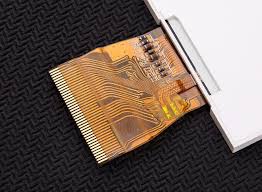
How Does the Cost of a Four Layer PCB Compare to Other PCBs?
It is important to find a reputable 4-layer PCB manufacturer with experience and a good track record. Moreover, you should look for one that is competitively priced. Lastly, you should be sure that the manufacturer is able to provide you with the required quantity of PCBs in a timely manner.
PCBs are essential for most electronic devices and are vital in many industries. The technology behind them has made it possible to produce sophisticated electronics that are small, powerful, and affordable. PCBs are used in a variety of applications, including consumer electronics, military and aerospace equipment, automotive vehicles, and medical devices.
4-layer PCBs are a popular choice for modern manufacturers due to their high-performance capabilities and low-weight. They are suitable for most applications and offer a wide range of benefits, including improved endurance. This makes them the preferred choice for devices that will be exposed to rough handling. Additionally, these circuit boards are excellent for use in high-speed applications because they do not suffer from impedance issues or propagation delays.
To ensure your 4-layer PCB is a success, you should utilize a tool like Allegro PCB Designer. This tool can help you streamline the design process and eliminate errors before they become costly mistakes. It can also help you create high-quality prototypes at a reasonable cost. It can also help you prepare the board for manufacturing by ensuring that all of your components are connected correctly. This will save you time and money in the long run. It will also allow you to get your product to market faster. With the right tools, you can design a high-quality PCB that is reliable and durable.

Can “The Last of Us” Outlive Its Antihero?

Daily Cartoon: Thursday, April 24th

Remembering Kenneth Branagh’s Shakespearean Heyday (and Forgetting His Recent Lear)
About The Author
