
How to Accurately Transcribe Piano Transcriptions Songs
Transcribe Piano Transcriptions Songs
When you transcribe music, it’s important to be as accurate as possible. The goal of transcribing is to create a written version of the piece you hear, including all of its notes and rhythms. To ensure that you’ve captured everything accurately, it is a good idea to practice transcribing regularly and consistently. Transcribing regularly can help develop your musical ear, memory and playing skills. It is also a great way to improve your listening abilities and increase your musical creativity.
To begin, choose a piece of music that you wish to transcribe. Ideally, this should be a song that you enjoy or are familiar with. This will allow you to focus more on the details of the song and avoid getting frustrated by any difficult parts. In addition, it’s always a good idea to start with a song that is easy to play by ear. This will help you to get used to the process and build up your confidence.
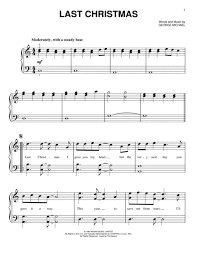
Choosing the right piece of music to transcribe can be tricky. You want to choose something that is within your skill level and that you are interested in learning. It should also be a piece of music that you can easily listen to on YouTube or through a transcription service, such as TuneTranscriber or Transcribe!
https://tartalover.net/nicole-pesce
How to Accurately Transcribe Piano Transcriptions Songs
Start by identifying the chord progressions in the piece of music that you are trying to transcribe. This can be done by using a chord chart or by listening to the chord progressions and noting them down by hand. Once you have the chord progressions identified, it’s time to move on to the melody. Unless you are a very experienced musician, it’s best to work on the melody beat-by-beat, rather than measuring the song with a metronome or counting out “one – and – ee – and ah – one” as some musicians recommend.
Once you’ve finished transcribing the melody, it’s a good idea to check it against the original recording to make sure that you have everything correct. This is a vital step and one that should be repeated over and over again until you feel confident that you’ve got all of the notes and rhythms correctly written down.
https://m.youtube.com/@tartalover2682/videos
Another great trick when trying to transcribe music is to sing along with it. This is a great test to see if you can actually hear the pitches that are being played, and it will quickly let you know if you are missing any notes or if you are simply guessing. The great jazz pianist Lennie Tristano required that his students be able to sing along with his recordings before they could learn them on their instruments.
Another tip when working on piano transcriptions is to use a transcription service that has the ability to slow down the music you are listening to. This will help you to hear all of the details in the music more clearly and will allow you to transcribe even the most challenging solos.
Where to Stream the Films of Alain Delon

Ancient Female Ballplayer from Huasteca Region on Exhibit
Patricia Johanson, Who Turned Grim Spaces Into Landscape Art, Dies at 84
About The Author
