
Types of Conductive Materials Used in Flexible Circuits
Materials Used in Flexible Circuits
A flexible circuit is a circuit board that is able to bend or curve without breaking. It has been used extensively in laptops, cell phones, LCD televisions and cameras. They are also found in medical equipment such as heart monitors and pacemakers. They are also used in industrial applications like manufacturing robots, processing machines and bar code equipment. They are even used in aerospace and military applications such as satellites and GPS systems.
The basic material in a flexible circuit is copper foil. While there are a variety of different types of metals that can be used, copper is the most common. This is because it offers a balance of cost and performance attributes that makes it an ideal choice for flex PCBs. It can be etched to create the conductor pathways that run through the flex circuit.
In addition to copper, there are a number of other materials that can be used in a flexible circuit, including insulators and adhesives. The insulators, which are typically made from polyimide or polyethylene naphthalene, separate the electrical conductors from one another, preventing current flow between them. The adhesives, which can be either epoxy or acrylic, serve to join the conductive layers together or, in multilayer flex circuits, to connect one layer to the next.
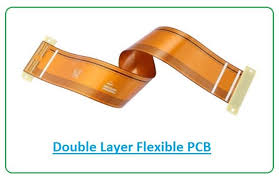
Types of Conductive Materials Used in Flexible Circuits
A flex circuit can also be composed of rigid sections that are connected to a flex section by PTH (Plated Through Hole). These connections allow for the connection of external components to the flex circuit. In a hybrid PCB, this is particularly important since it allows for the removal of unnecessary rigid sections.
Finally, there are a number of processes that are used to inspect and test the finished product. For example, a skilled technician will visually examine the flexible circuits to make sure they are free of contaminants and scratches. This is the last opportunity to catch any mistakes that could cause problems in operation.
Ultimately, the use of flexible circuits has many benefits over traditional rigid PCBs. For example, they can save space and weight in the final assembly, while allowing for more complex designs. They are also more durable than their predecessors and can withstand constant movement, bending or twisting. These features make them perfect for a variety of applications in the medical, manufacturing and consumer industries.
Whether you are looking for an expert flex circuit manufacturer or simply need to learn more about this technology, it is important to understand the basics of how these products are made. This includes understanding what type of conductive material is used, popular stackups and copper types. By doing so, you can be sure your project is built with the highest quality materials and will perform as intended. This will give you peace of mind knowing that your flex circuits are durable and will hold up to the rigors of everyday use.

Tom Brady, Armchair Quarterback | The New Yorker

The Sycophancy for Donald Trump Must Be Televised

The Magic of Bird Brains
About The Author
